


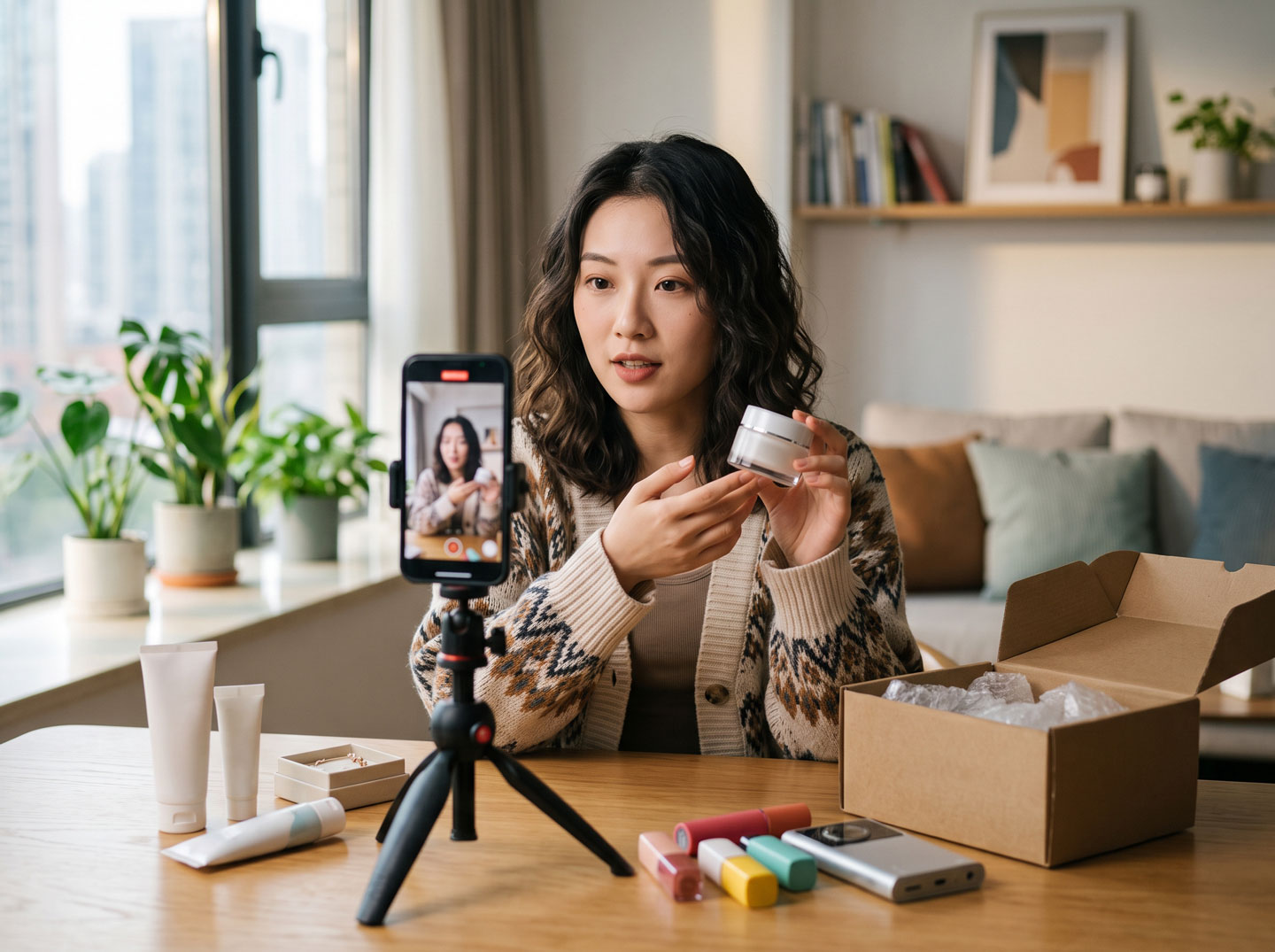
KOL/KOC advertising rules in China decide when a creator’s post counts as an ad — and what a brand has to do to keep it legal. In practice, that comes down to three things: label paid posts as “广告” (advertisement), only work with creators who have actually used your product, and book creator deals through the platform’s official system. For overseas brands, the risk is rarely the creative — it’s treating a paid “seeding” post like an organic review when the law treats it as an ad.
Plenty of brands arrive on Xiaohongshu or Douyin with a strong product, sign a handful of creators, and brief them the way they would anywhere else — then watch posts get throttled, pulled, or flagged. The creators weren’t the problem. The rulebook was.
As we covered in China Decoded #4: Beyond Translation, trust in China is built through KOL/KOC advocacy and “种草” (product seeding). This post covers the other half of that story: who counts as a KOL, KOC, or KOS, which rules apply to them, the five mistakes overseas brands make most, and a checklist to run before any paid post goes live.
KOL vs. KOC vs. KOS: who’s who
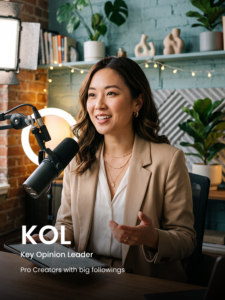
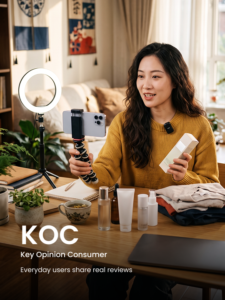
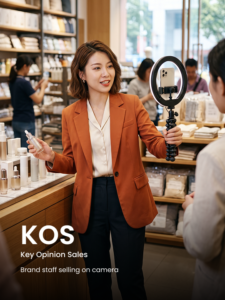
China’s creator economy uses a more granular vocabulary than the Western “influencer.” The tiers matter for planning — but for compliance, what counts is whether the content is commercial, not how big the following is.
| Model | Who owns strategy | Who operates the platforms & buys | Best for |
|---|---|---|---|
| Fully outsourced (agency) | Agency, with brand sign-off | Non-mainland entity (e.g. HK/SG) | Teams without in-house media expertise or tooling |
| Hybrid | In-house team | Not required (no mainland hosting) | Most mid-market and enterprise brands in 2026 |
| Fully in-housed | In-house team | In-house team operates the DSPs and keeps data in-house | Large brands with the people, tools, and scale to justify it |
The common thread: the moment money, free product, or another benefit changes hands for a post, that post is commercial content — and China’s advertising rules apply, however personal it reads.
The rulebook: four sets of rules, four different questions
China doesn’t have a single “influencer law.” The rules sit in four places, and each one answers a different question a marketer has to get right before a creator post goes live.
| Rule | The question it answers | What you need to do |
|---|---|---|
|
PRC Advertising Law (amended 2021¹) |
Who is responsible, and what can a creator say? | Make sure creators have used the product and avoid banned claims — both brand and creator can be liable |
|
Measures for the Administration of Internet Advertising (effective 1 May 2023²) |
When does a creator post become an ad? | Treat every paid post — especially one with a purchase link — as an ad |
| SAMR identifiability guidelines (issued 22 Aug 2024³) | How exactly should the ad be labelled? | Put a visible “广告” label, or a voice prompt in video, where viewers see it first |
|
Platform rules (e.g. Xiaohongshu⁴) |
How must the deal be set up? | Book creators through the official system (Pugongying), not by private message |
Why the difference matters: passing one layer doesn’t clear the others. A post can be correctly labelled under the law and still be pulled by the platform because the deal wasn’t reported — so legal, content, and agency teams each need to know which layer they own1
¹Source: China Law Translate, PRC Advertising Law (2021).
²Source: China Law Translate, Measures on the Administration of Internet Advertising (2023).
³Source: China Law Translate, SAMR Identifiability Enforcement Guidelines (2024).
⁴Source: CBNData (First Financial Business Data Center).
The five rules overseas brands break most
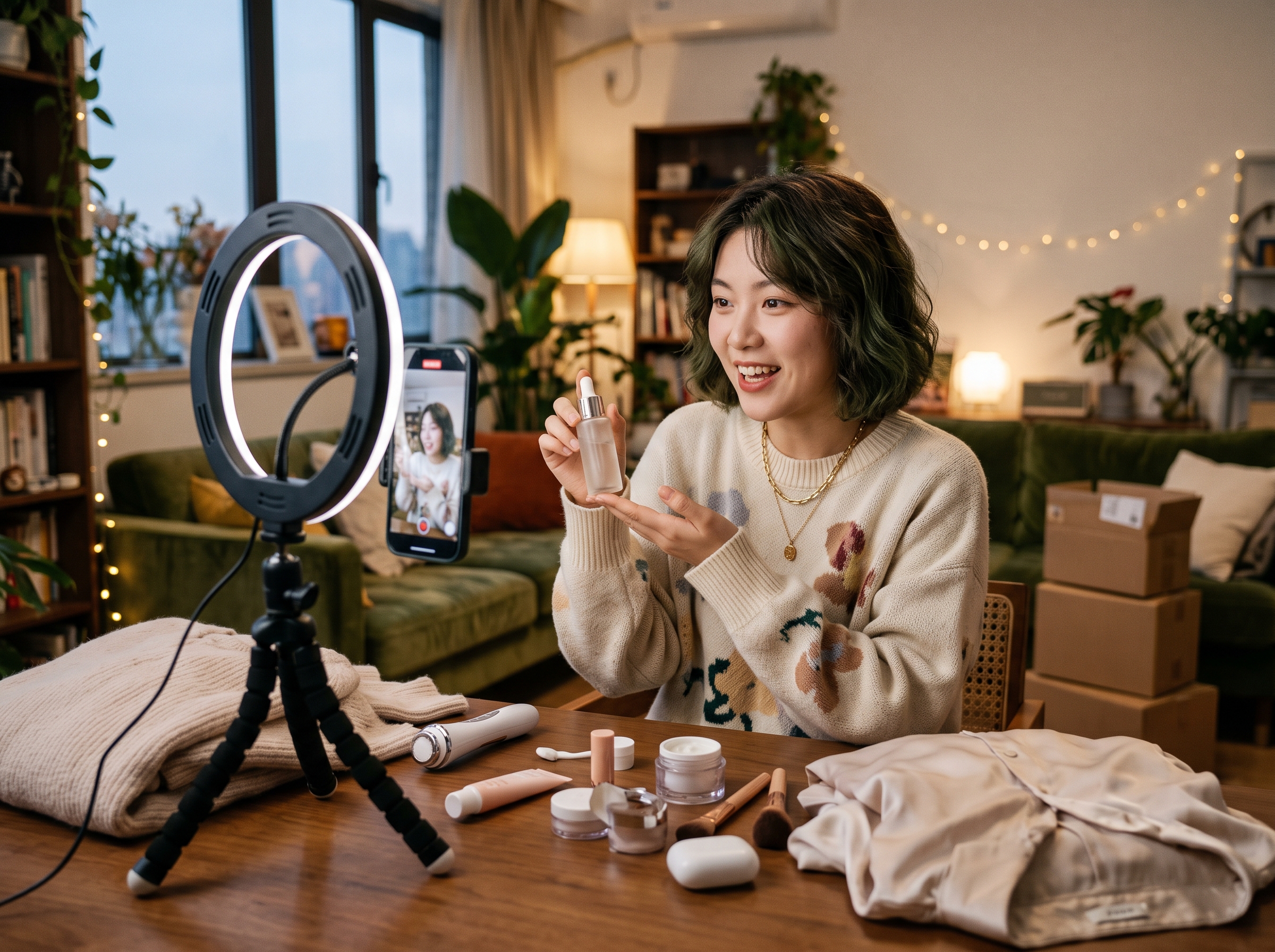
- Not labelling paid posts. Internet ads must be identifiable, and paid content must be marked conspicuously — in practice, the “广告” tag.¹ ² A paid post that reads like a spontaneous review, with no label, is the most common violation. This applies to livestreams too: an unlabelled sales pitch carries the same risk, and a host who recommends a product in their own name or image can also be treated as an endorser (Measures Art. 19).²
- Treating a seeding post with a purchase link as “content.” The 2023 Measures specifically cover knowledge-sharing, experience, and review posts (种草) that carry a purchase link or payment method: they must carry a clear advertisement marker (Art. 9).²
- Skipping the sampling. Under Article 38 of the Advertising Law, an endorser may not recommend goods or services they have not actually used or received.¹ “Send the brief, skip the product” is not compliant.
- Using endorsers in restricted categories. Medical treatment, pharmaceuticals, medical devices, and health foods cannot use endorsers (Advertising Law Arts. 16 and 18),1 and “disguised” ads for these categories — health tips with a purchase link, for example — are banned (Measures Art. 7).2 Beauty and wellness brands trip over this most often. Separately — and regardless of category — absolute claims such as “the best” or “top-level” are banned outright (Advertising Law Art. 9).¹
- Assuming only the brand is liable. Endorsers can share joint liability for false ads that harm consumers (Art. 56); a creator penalised for endorsing a false ad is barred from endorsing for three years; and children under 10 cannot be spokespersons (Art. 38).¹
¹Source: China Law Translate, PRC Advertising Law (2021).
²Source: China Law Translate, Measures on the Administration of Internet Advertising (2023).
Platform rules stack on top of the law
National law is the floor; platforms add their own, often stricter, layer. On Xiaohongshu (RedNote), paid seeding collaborations are expected to be “reported” (报备) through the official Pugongying (蒲公英) platform. Unreported promotion is treated as violating marketing, and brand accounts caught soliciting creators through private messages have been muted or banned.⁴
The practical takeaway: a post can satisfy national law and still be suppressed or removed for skipping the platform’s process. Compliance is two doors, not one.
⁴Source: CBNData (First Financial Business Data Center).
Myth vs. Fact
- Myth: “If the post looks organic and doesn’t mention a price, it isn’t an ad.”
- Fact: Paid or incentivised content that promotes a product is advertising. A natural, review-style tone doesn’t exempt it.
- Myth: “KOCs are just regular users, so the rules don’t reach them.”
- Fact: The rules follow the money, not the follower count. A paid KOC review with a purchase link is fully covered.
- Myth: “The brand carries the legal risk, so the creator can say whatever sells.”
- Fact: Endorsers face their own duties — the use requirement, truthfulness, joint liability, and a possible three-year ban.
- Myth: “A direct deal with a creator is cheaper and just as safe.”
- Fact: On Xiaohongshu, paid collaborations are expected to run through Pugongying. Unreported deals are treated as violating marketing and risk takedowns or account penalties, whatever national law says.
Before a paid post goes live: a quick checklist
-
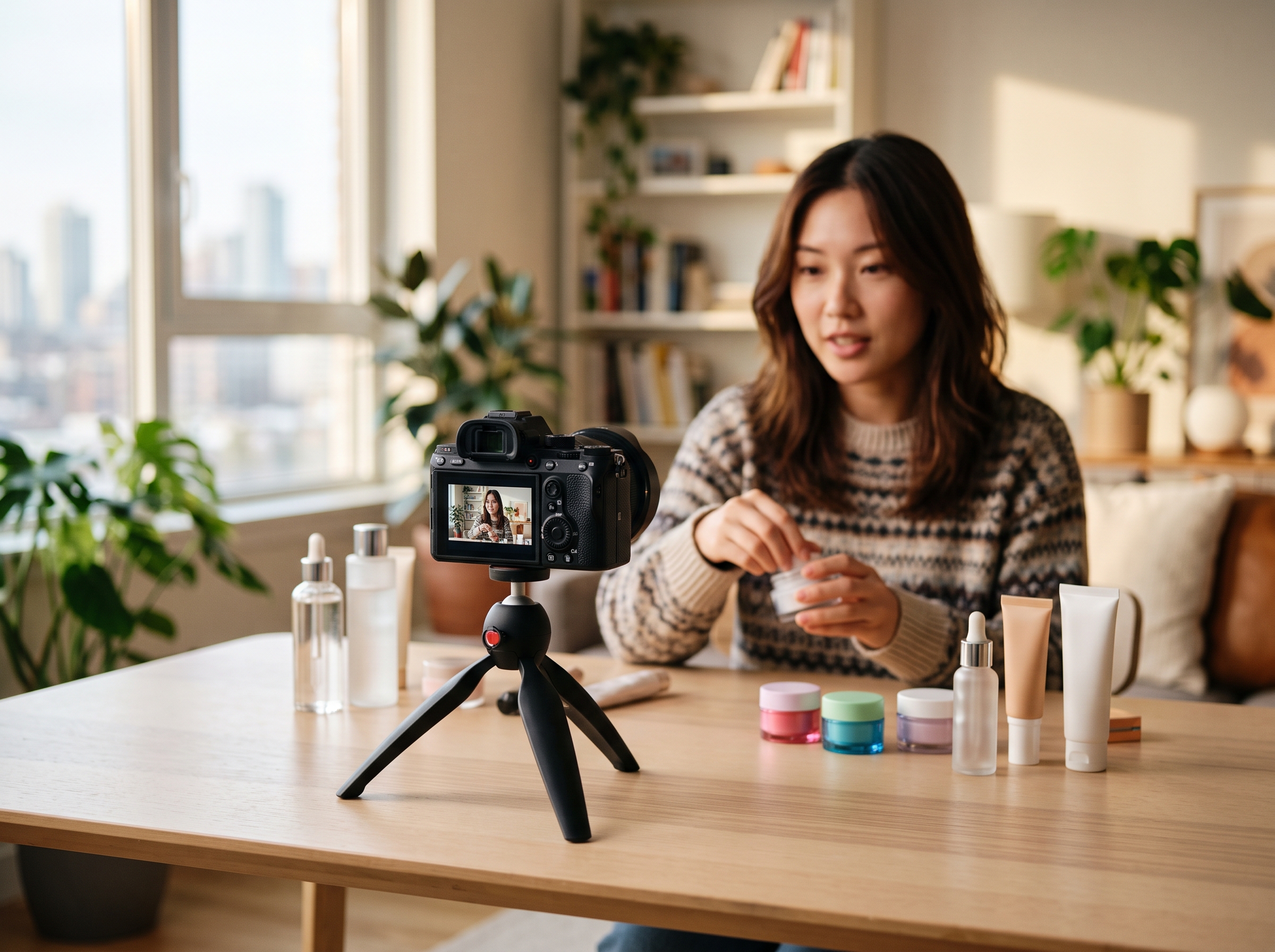
- Channel: Is the deal running through the platform’s official system (Pugongying on Xiaohongshu)?
- Label: Is a clear “广告” marker visible up front — as text, or a voice prompt in video and livestreams?
- Use: Has the creator actually used the product, and can you show it?
- Category: Is the product medical, pharmaceutical, a medical device, or health food? If so, endorsers are off the table.
- Claims: Is the script free of absolute or guaranteed-effect wording?
If any answer is “no,” fix it before the post goes live — not after the platform flags it.
Where MediaX, NaviX, and PilotX fit
Compliance and reach aren’t a trade-off — but only if execution runs through the right channels. That is the gap EternityX is built to close for overseas brands working with Chinese creators:
- MediaX manages KOL and influencer campaigns and premium placements through official platform relationships, so deals are arranged, priced, and reviewed the way each platform requires.
- NaviX shapes the cultural and creative strategy so disclosed, compliant content still feels authentic to Chinese audiences — because cultural strategy is more than translation.
- PilotX buys and manages the paid media programmatically, so creator content scales beyond organic reach with compliant, trackable ad spend.
EternityX reports powering more than 12,000 cross-border campaigns for over 1,000 brands, and is a certified cross-border marketing partner of Xiaohongshu. (Figures and partnerships are EternityX’s own stated credentials.)
Planning a KOL/KOC push into China? MediaX runs creator campaigns through official platform channels; NaviX makes compliant content feel native; PilotX scales it with compliant programmatic media buying. Talk to our team.
About EternityX Marketing Technology
At EternityX, we equip brands and businesses to master the realm of Chinese audiences through the Power of Three—PilotX, NaviX, and MediaX. These cutting-edge, AI-powered solutions enable precision targeting, providing data-driven insights that allow companies to connect with profitable audiences in key markets and beyond.
With 12,000+ successful cross-border campaigns for more than 1,000 brands, EternityX helps brands unlock growth, deepen audience connections, and drive long-term success. Our expertise bridges the gap between East and West, ensuring that brands can thrive in a rapidly evolving digital landscape. Learn more about us https://www.eternityx.com.
Frequently asked questions
- Is in-house or agency media buying better in 2026?
For most mid-market and enterprise brands, a hybrid model is now the default: the brand owns strategy, budget, and audience data, while a partner or agency handles technical execution, platform access, and measurement.
- Can I run China media buying fully in-house?
It’s difficult to do alone. China’s platforms each run their own buying stack, premium inventory is partner-gated, and data-localization laws limit extending a global stack into China. Most brands run China as a hybrid with a China-capable platform partner.
- Why can’t I just use my global DSP in China?
Standard open-web DSPs generally can’t reach China’s walled-garden platforms (Douyin, WeChat, Taobao, Xiaohongshu (rednote)). You need platform seats or an aggregating partner such as PilotX.
- What does a China-capable partner add to an in-house team?
Compliant cross-platform access and execution (PilotX), partner-gated premium inventory (MediaX), and a unified audience-data layer (ID Space) — without the brand rebuilding China’s ad infrastructure itself.
This post is general information, not legal or tax advice. Confirm entity, licensing, and data-compliance requirements with qualified advisors for your specific situation.
Keep learning. This post is part of China Decoded, EternityX’s educational series on advertising and market entry in China. More at the EternityX Global Knowledge Hub.



 As Founder and CEO of EternityX Marketing Technology, Charlene is a pioneering leader in the digital marketing landscape, dedicated to driving growth and innovation. Her role encompasses overseeing the strategic direction of the company, with a strong emphasis on connecting brands to the Chinese market and enhancing their engagement with diverse audiences. Charlene’s unique expertise in digital business allows her to identify key opportunities and efficiently allocate resources, ensuring that brands not only thrive but also build authentic connections with their target markets.